If you receive a travel allowance or claim business travel, SARS expects a proper logbook. Here is what it must contain, and a free template.
Updated 26 September 2026 · Tracker Prices South Africa
General information only, not tax advice. Check sars.gov.za or a tax practitioner for your situation.
Download the logbook template (CSV, opens in Excel or Google Sheets)
SARS also publishes its own eLogbook on sars.gov.za. Any format is fine as long as it contains the information below.
From 1 March 2026 the SARS prescribed rate for reimbursive travel allowances is R4.95 per kilometre. SARS also publishes a cost-scale table based on vehicle value, used when you claim actual costs against a travel allowance.
The AA publishes vehicle-specific running-cost estimates through its rates calculator. These are useful for budgeting but are not tax rules: SARS uses its own prescribed rate and cost table.
Many trackers and fleet systems keep trip histories with dates, times and distances. You can use these reports to fill in your logbook; just add the business reason for each trip. See odometer and mileage.
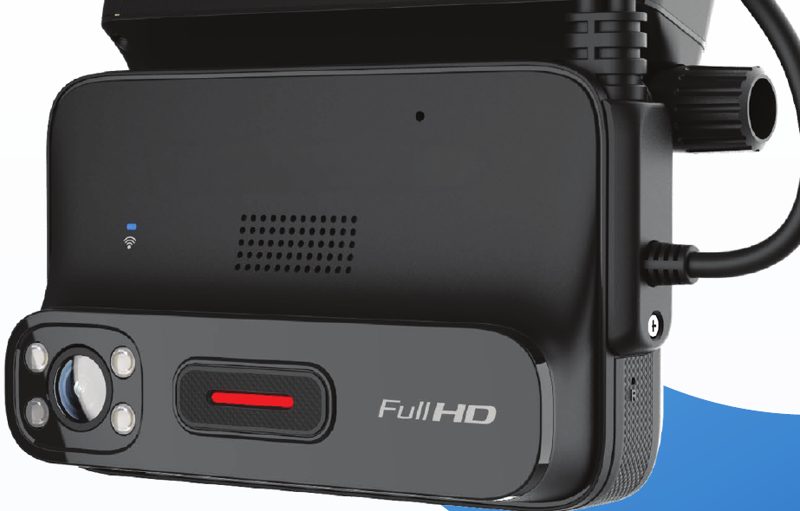
Road-facing ADAS and in-cab AI cameras in one 4G-connected unit, data bundle included. Collision, tailgating and rollover warnings, phone-use and drowsiness alerts, live streaming with push-to-talk, and privacy blurring, all from one platform.
Prices incl. VAT. Data bundle limits apply. Not ideal for long-haul night-time operation.
A small wireless unit hidden in your car in minutes, with no wiring into its electronics and a battery that lasts up to three years. Approved by major insurers, with jamming detection and 24/7 recovery.
Yes, if you want to claim business travel against a travel allowance or receive a reimbursive allowance, SARS expects a logbook.
R4.95 per kilometre from 1 March 2026 for reimbursive travel allowances.
At least five years.
Tell us your vehicle and area, and we will send you prices from the providers that cover you. Free, with no obligation.
